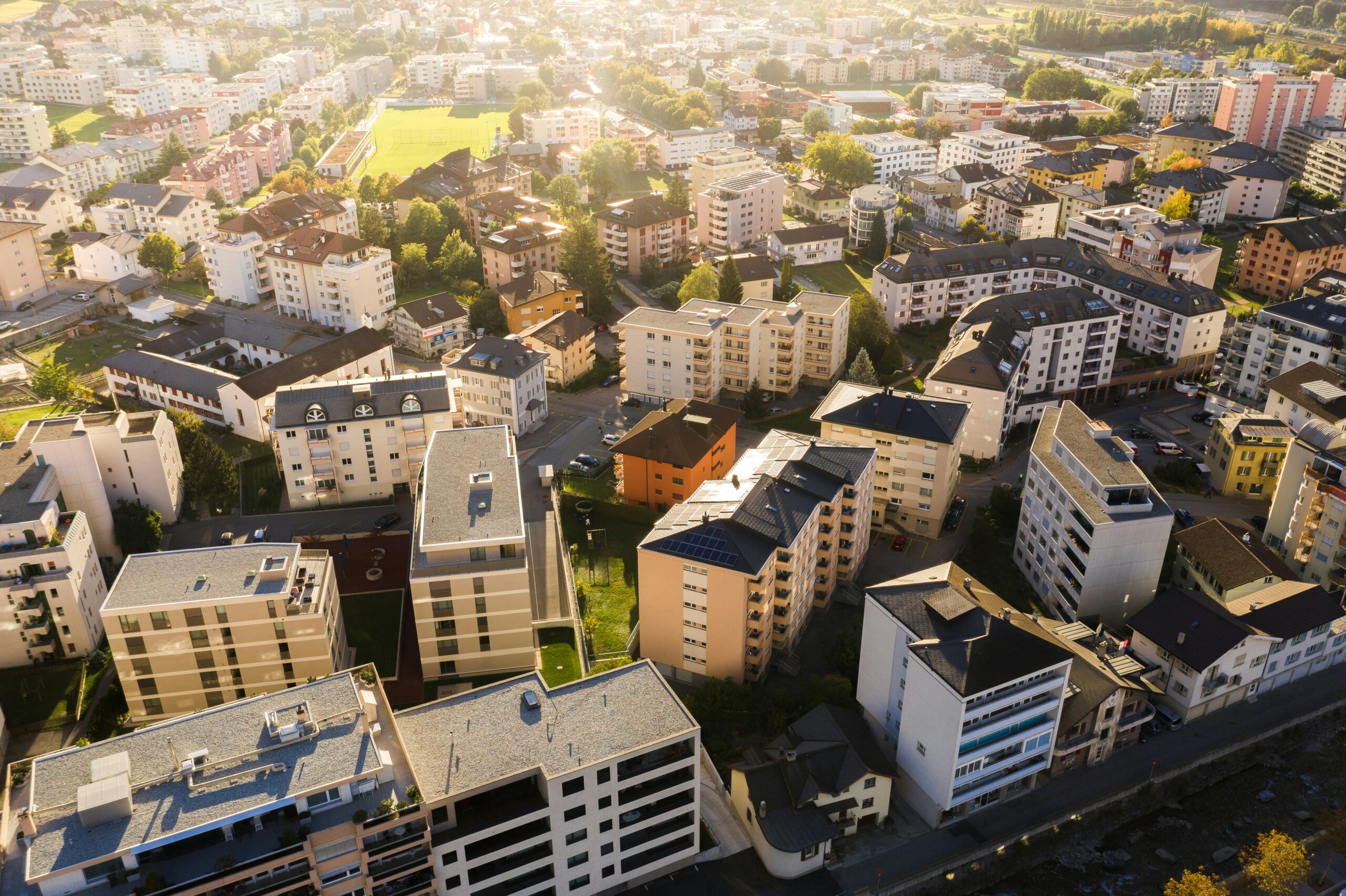
Smart real estate planning is becoming a driving force behind more resilient, livable, and forward-thinking communities. As cities grow and environmental pressures rise, developers and local leaders must rethink how neighborhoods are designed, built, and supported.
By integrating technology, sustainable materials, data-driven decisions, and community-centered strategies, smart real estate planning ensures that growth benefits both current residents and future generations. This approach also helps reduce long-term costs, improve resource efficiency, and support healthy lifestyles, making it a cornerstone of modern development.
The Link Between Smart Real Estate Planning and Sustainable Growth
Smart real estate planning encourages communities to use land and resources wisely. As developers analyze energy needs, transportation patterns, and infrastructure demands, they begin to create environments that harmonize with natural and social systems. This method reduces waste while improving long-term environmental health. Because solutions are tailored to each community, planners can address regional concerns without sacrificing growth or innovation.
Furthermore, this type of planning supports economic stability. When neighborhoods are designed around efficiency and accessibility, residents experience lower living costs and enjoy better access to jobs and services. As a result, local businesses thrive, and property values stay strong. Even small changes, such as improved walkability or energy-efficient housing, can significantly strengthen community resilience over time.
How Technology Shapes Smart Real Estate Planning
Technology plays an essential role in shaping sustainable communities through smart real estate planning. Digital mapping, predictive analytics, and real-time data help planners understand how neighborhoods function. Because they can track traffic flow, energy use, and environmental changes, developers make informed decisions that promote long-term community health. These tools also improve communication between residents and planners, leading to better engagement and more transparent decision-making.
In addition, smart home systems and connected infrastructure increase efficiency across entire developments. Sensor-based lighting, water-saving devices, and renewable energy systems help reduce utility costs while lowering environmental impact. These features also attract eco-conscious buyers and renters who want to live in communities that support sustainable living. As technology continues to advance, solutions will become even more integrated into everyday housing.
Creating Walkable, Connected, and Healthy Neighborhoods
Smart real estate planning encourages the creation of neighborhoods that are easy to navigate and rich with community spaces. By prioritizing parks, shared paths, and mixed-use development, planners help residents stay active and connected. Walkable communities also support local businesses because people spend more time exploring their surroundings instead of driving through them. As a result, neighborhoods feel safer, friendlier, and more inviting.
Additionally, communities designed with pedestrian access in mind often experience fewer transportation challenges. When residents can walk or bike to work, school, or shops, traffic congestion decreases, and air quality improves. Because these changes create healthier living environments, they reduce strain on public health systems. Over time, walkable neighborhoods contribute to a more vibrant and sustainable lifestyle.
Reducing Environmental Impact Through Smart Real Estate Planning
Environmental sustainability stands at the core of smart real estate planning. Developers are increasingly using recycled materials, green roofs, and energy-efficient systems to reduce environmental harm. These strategies help conserve natural resources and support cleaner ecosystems. As communities adopt more environmentally friendly building practices, they reduce pollution and increase resilience against climate-related disruptions.
Moreover, smart real estate planning also promotes responsible land use. By limiting urban sprawl and encouraging denser development where appropriate, communities preserve open land and protect local habitats. Because green spaces improve air quality and offer recreational benefits, they enhance residents’ overall well-being. As demand for sustainable housing grows, environmentally conscious planning will remain a top priority for developers.
Strengthening Local Economies Through Smarter Development
Smart real estate planning not only benefits the environment but also strengthens local economies. By focusing on resource efficiency and long-term value, developers reduce operational costs while increasing return on investment. Sustainable buildings often require less maintenance and consume less energy, leading to substantial savings over time. Investors and homeowners appreciate these advantages and tend to support projects that provide long-term reliability.
Furthermore, smart real estate planning attracts new businesses and talent. Communities that prioritize sustainability and innovation appeal to residents who value convenience, safety, and modern design. As new industries and skilled workers move into these areas, job opportunities increase, and economic growth accelerates. Over time, communities become stronger and more competitive in the global market.
Planning for Future Generations With Smart Real Estate Planning
Future-focused development is a key benefit of smart real estate planning. By anticipating population shifts, environmental changes, and modern technologies, planners create communities that stay relevant for decades. These strategies ensure that homes, schools, and public spaces remain adaptable to new needs. Because planners build with the future in mind, communities avoid costly redesigns and disruptions.
Additionally, designing with future generations in mind fosters a stronger sense of community identity. When residents feel proud of where they live, they become more engaged and supportive of local initiatives. This sense of ownership strengthens social bonds and helps maintain community stability. As smart real estate planning becomes standard practice, it will continue to shape the next era of sustainable living.