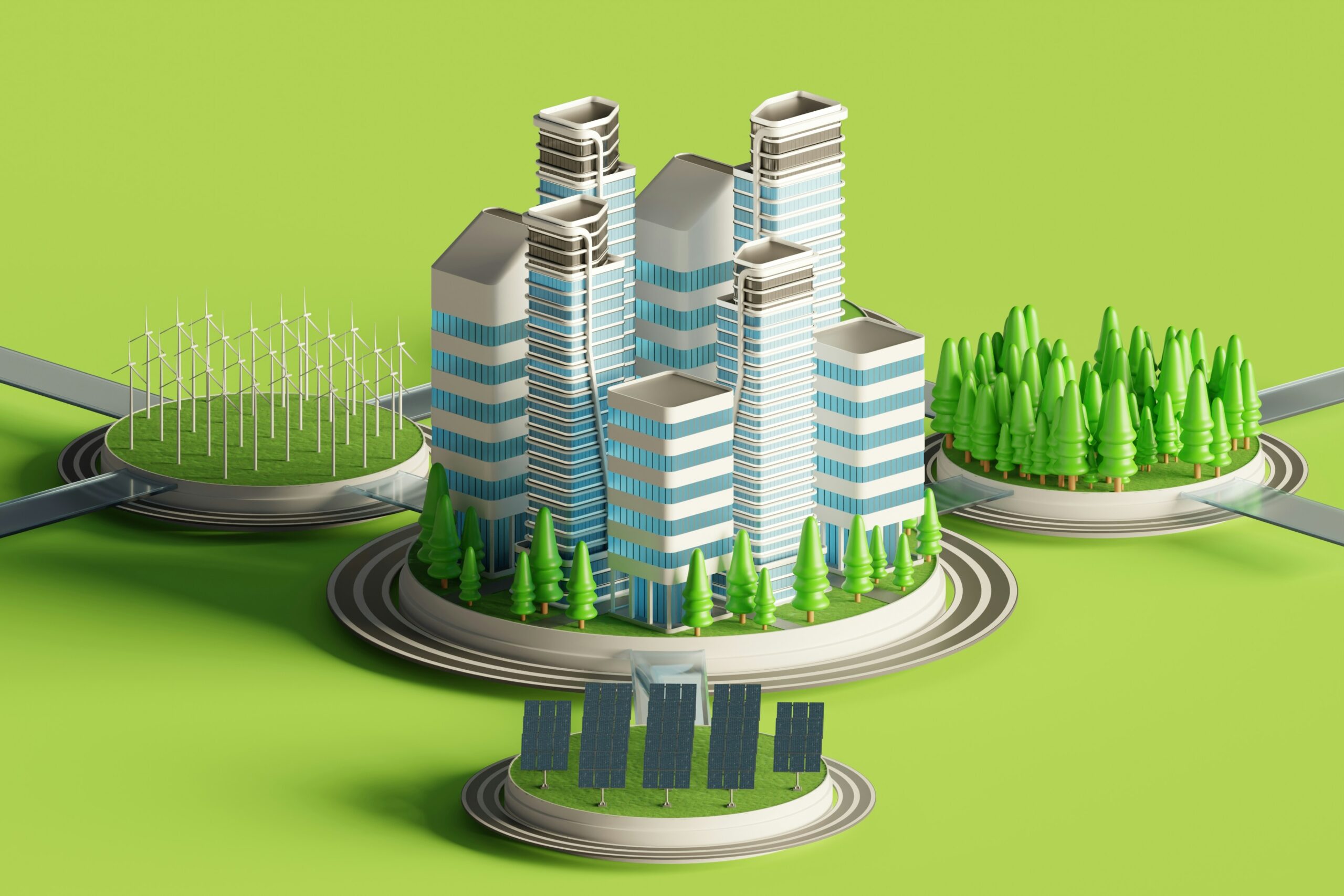
Modern cities grow fast, yet people now expect more than new buildings and roads. They want healthier neighborhoods, better air, and spaces where families thrive. Because of this shift, developers focus on sustainable communities that balance economic growth, environmental care, and social well-being. Projects that once focused only on profit now aim to improve the quality of life. As a result, developers invest in smarter design, cleaner energy, and shared public spaces. Many leaders now view real estate as a powerful tool for shaping long-term urban health. In fact, projects that support green urban living initiatives help cities reduce pollution, improve mobility, and create places where people truly want to live.
Today, developers understand that communities must support people and the planet simultaneously. Therefore, they design projects that conserve energy, protect natural spaces, and encourage social connection. Sustainable communities in real estate development do not appear by chance. Instead, they grow from careful planning, collaboration with city leaders, and a commitment to long-term value. When developers plan with sustainability in mind, they create neighborhoods that stay vibrant for decades. This approach also helps investors, residents, and cities share the benefits of responsible growth.
The Role of Planning in Sustainable Communities
Smart planning forms the foundation of sustainable communities. Developers begin by studying land use, transportation patterns, and environmental impact. This early research helps them design neighborhoods that support walkability, public transit, and green space. As a result, residents spend less time driving and more time enjoying their surroundings. When planners place homes, parks, schools, and shops close together, daily life becomes easier and more efficient.
Good planning also protects natural resources. Developers now work to preserve wetlands, trees, and water systems within their projects. Instead of replacing nature with concrete, they integrate natural landscapes into community design. This approach helps manage stormwater, reduce heat, and improve air quality. Moreover, thoughtful planning supports sustainable communities by ensuring that growth does not harm the environment that supports it.
Green Infrastructure and Environmental Responsibility
Green infrastructure plays a key role in modern real estate development. Developers use energy-efficient building materials, solar panels, and advanced insulation to reduce environmental impact. These features reduce energy use and save residents money on utility costs. Because energy efficiency matters more each year, developers now include sustainable technologies as standard features in many projects.
At the same time, developers add parks, green roofs, and tree-lined streets to improve urban ecosystems. These elements help control heat and support biodiversity within growing cities. When communities include natural spaces, residents gain places to exercise, relax, and connect with nature. Therefore, green infrastructure does more than protect the environment. It also strengthens the health and well-being of people living in sustainable communities.
Mixed-Use Development Strengthens Community Life
Mixed-use development has become one of the strongest tools for building sustainable communities. Instead of separating housing, offices, and retail areas, developers combine them into a single neighborhood. This design allows people to live, work, and shop within walking distance of each other. As a result, residents rely less on cars and spend more time engaging with their community.
Additionally, mixed-use neighborhoods encourage economic growth. Local businesses benefit from steady foot traffic, while residents gain convenient services close to home. Restaurants, small shops, and coworking spaces create vibrant public areas that attract visitors and residents alike. Over time, this activity builds stronger local economies while supporting sustainable urban development.
Community Engagement in Development Projects
Successful sustainable communities depend on strong community engagement. Developers now work closely with residents, city planners, and local organizations before construction begins. These conversations help developers understand what people truly need. For example, residents may request more parks, safer streets, or better transportation options. When developers listen to these voices, projects better reflect community priorities.
Furthermore, community engagement builds trust. When residents feel involved in planning decisions, they are more likely to support new developments. This support helps projects move forward while reducing conflicts that often slow urban growth. As a result, collaboration between developers and communities leads to neighborhoods that serve everyone more effectively.
Long-Term Economic Value of Sustainable Development
Sustainable communities also create strong economic value. Buyers increasingly prefer homes in environmentally responsible neighborhoods. Because of this demand, properties within sustainable developments often maintain higher long-term value. Investors recognize that these projects offer stability, lower operational costs, and strong market appeal.
In addition, sustainable communities reduce long-term infrastructure costs for cities. Efficient transportation systems, energy-saving buildings, and natural stormwater management all lower public maintenance expenses. Therefore, cities benefit financially when they support sustainable real estate development. This economic advantage encourages more governments to partner with developers who prioritize sustainability.
Technology and Innovation in Modern Communities
Technology now plays a major role in building sustainable communities. Smart energy systems help buildings monitor electricity use and reduce waste. At the same time, digital planning tools allow developers to test environmental impact before construction begins. These innovations make it easier to design efficient neighborhoods that meet modern environmental standards.
Moreover, technology improves residents’ daily lives. Smart traffic systems reduce congestion, while connected public transit makes commuting easier. Some communities even use smart sensors to monitor air quality and energy use across neighborhoods. These tools help city leaders and developers adjust systems quickly when challenges arise, ensuring that sustainable communities remain efficient and healthy.
The Future of Real Estate Development
The future of real estate development will depend heavily on sustainability. As climate challenges grow, cities must adapt quickly. Developers who understand sustainable communities will lead this transformation. They will design projects that balance housing, transportation, green space, and economic opportunity.
At the same time, governments and investors will continue supporting responsible development strategies. Public policy increasingly favors environmentally responsible real estate projects. Incentives for green building and renewable energy also encourage developers to adopt sustainable practices. As a result, sustainable communities will likely become the standard rather than the exception.