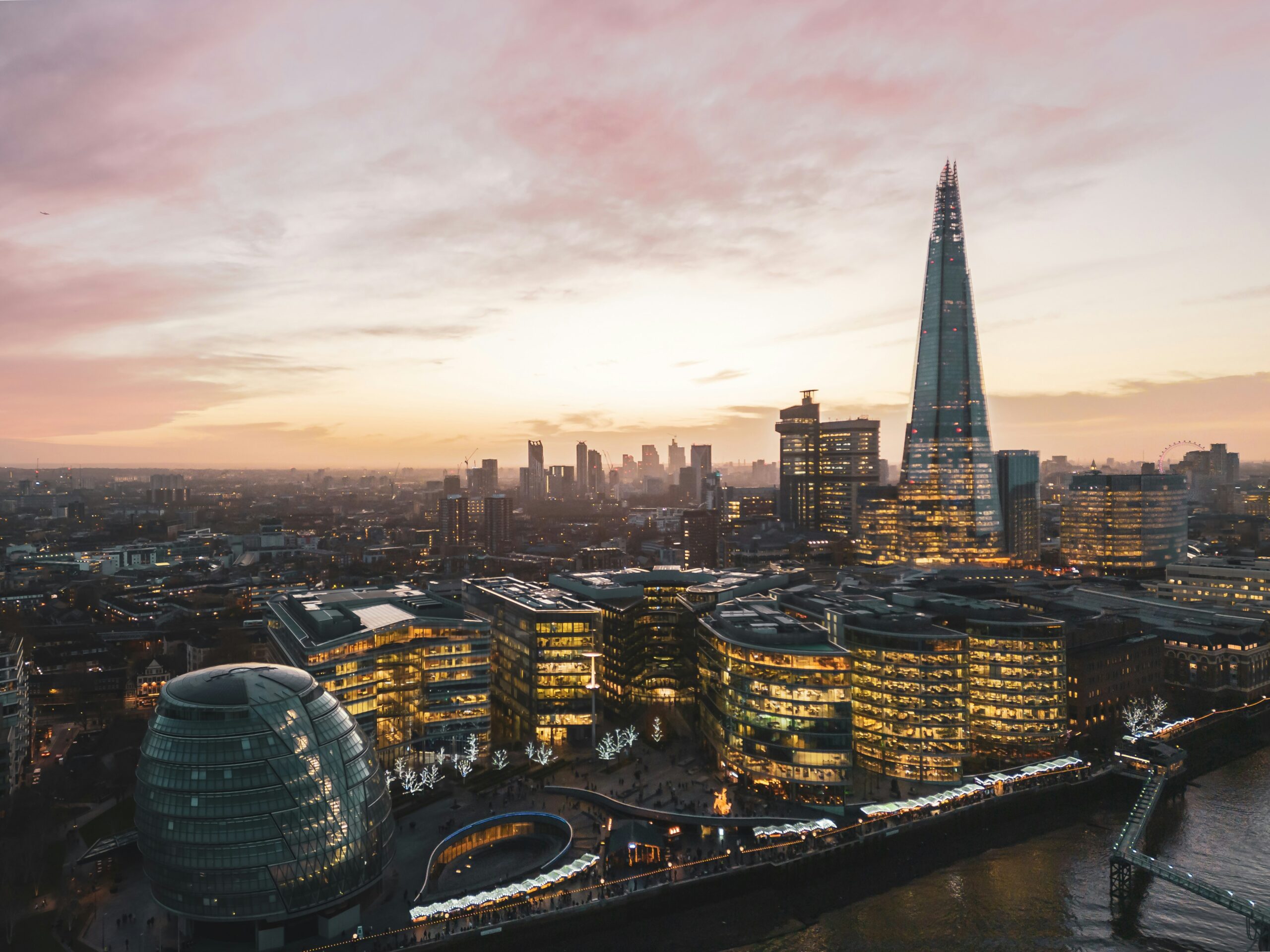
Colorado is entering a transformative period where urban development is no longer just about expansion but about intelligent, sustainable, and community-focused growth. With increasing population pressure, environmental concerns, and economic opportunities, cities across the state are evolving in ways that reshape both skylines and lifestyles.
A careful balance between innovation and preservation is shaping the future of urban development in Colorado. As demand for housing, infrastructure, and commercial spaces rises, developers and planners are rethinking how cities can grow without compromising the natural beauty and quality of life that define the region.
Population Expansion and Urban Pressure
Colorado has experienced consistent population growth over the past decade, particularly in urban centers such as Denver, Fort Collins, and Aurora. This growth has placed significant pressure on housing availability, transportation systems, and public services.
To address these challenges, urban planners are focusing on density rather than outward expansion. Compact development reduces land consumption and helps preserve open spaces, which are an essential part of Colorado’s identity. High-density residential projects, combined with efficient infrastructure, allow cities to accommodate more residents while maintaining functionality.
This approach also supports economic growth by concentrating resources and opportunities within accessible urban hubs.
Sustainability as the Driving Force
Sustainability has become a central theme in Colorado’s urban development strategy. The state’s commitment to environmental responsibility is reflected in its approach to building design, energy usage, and resource management.
New developments are increasingly incorporating renewable energy systems such as solar panels and energy-efficient building materials. These features reduce carbon emissions and lower long-term operating costs for both residents and businesses.
Water conservation is another critical priority. With Colorado’s semi-arid climate, developers are implementing advanced irrigation systems, water recycling technologies, and drought-resistant landscaping to ensure efficient use of resources.
Sustainable development is not just about environmental protection. It also enhances economic resilience by reducing costs and increasing property value.
Smart Cities and Technological Integration
Technology is playing a vital role in shaping the future of Colorado’s urban environments. Smart city initiatives are transforming how infrastructure is managed and how residents interact with their surroundings.
Sensors and data analytics are being used to monitor traffic flow, energy consumption, and environmental conditions. This information helps city planners optimize operations and improve efficiency.
Smart buildings are also becoming more common. These structures use automated systems to control lighting, temperature, and security, reducing energy waste and enhancing comfort.
Digital connectivity is another key aspect of modern urban development. High-speed internet and integrated communication systems support remote work, education, and business operations, making cities more adaptable to changing needs.
Transit-Oriented Development and Mobility Innovation
Transportation is a major factor influencing urban growth in Colorado. As cities expand, reducing traffic congestion and emissions has become a priority.
Transit-oriented development focuses on building communities around public transportation hubs. This approach encourages the use of trains, buses, and other shared mobility options, reducing reliance on personal vehicles.
Walkable neighborhoods and cycling infrastructure are also gaining importance. By designing cities where residents can easily move without cars, planners are promoting healthier lifestyles and reducing environmental impact.
Electric vehicle infrastructure is expanding as well, supporting the transition to cleaner transportation solutions.
The Rise of Mixed-Use Urban Communities
Mixed-use developments are becoming a defining feature of Colorado’s urban landscape. These projects combine residential, commercial, and recreational spaces into cohesive environments that support diverse activities.
Living, working, and leisure spaces are integrated into a single area, reducing the need for long commutes and increasing convenience. This model creates vibrant communities where activity continues throughout the day and into the evening.
Businesses benefit from consistent foot traffic, while residents enjoy easy access to services and entertainment. This synergy enhances both economic activity and quality of life.
Balancing Development With Natural Preservation
One of Colorado’s greatest strengths is its natural environment, and preserving this landscape is a top priority in urban development. Mountains, parks, and open spaces are integral to the state’s identity and appeal.
Developers are finding ways to integrate nature into urban design. Green spaces, urban parks, and recreational areas are incorporated into new projects to maintain a connection to the outdoors.
Land-use policies and zoning regulations also play a role in protecting sensitive ecosystems. By limiting overdevelopment in certain areas, Colorado ensures that its natural beauty remains intact.
This balance between growth and preservation is essential for maintaining the state’s unique character.
Housing Affordability and Inclusive Development
As urban areas grow, housing affordability has become a significant concern. Rising demand has driven up property prices, making it difficult for many residents to find affordable housing options.
To address this issue, developers and policymakers are focusing on inclusive development strategies. Affordable housing initiatives, mixed-income communities, and incentives for developers are being implemented to create more accessible options.
Ensuring that urban growth benefits all residents is crucial for maintaining social stability and economic diversity. Inclusive communities are more resilient and better equipped to handle future challenges.
Economic Growth and Innovation Hubs
Urban development in Colorado is closely tied to its economic expansion. The state has become a hub for industries such as technology, renewable energy, and healthcare.
New developments are supporting this growth by creating spaces that attract businesses and talent. Innovation districts, coworking spaces, and business centers are emerging as key components of urban planning.
These areas foster collaboration, creativity, and entrepreneurship, contributing to the state’s economic vitality. As businesses continue to expand, the demand for modern, flexible spaces will drive further development.
Challenges in Shaping the Urban Future
Despite its progress, Colorado faces several challenges in its urban development journey. Infrastructure must keep pace with population growth, requiring significant investment in transportation, utilities, and public services.
Climate change presents additional concerns, including water scarcity and the risk of extreme weather events. Addressing these issues requires forward-thinking strategies and resilient design.
Balancing economic growth with environmental sustainability and social equity remains a complex task. However, these challenges also provide opportunities for innovation and leadership.
The Future Vision: Resilient and Adaptive Cities
The future of urban development in Colorado will be defined by adaptability and resilience. Cities must be designed to evolve with changing conditions, whether economic, environmental, or technological.
Emerging trends such as net-zero energy buildings, smart infrastructure, and sustainable transportation systems will continue to shape development strategies. Collaboration between government, developers, and communities will be essential in achieving these goals.
By embracing innovation and maintaining a commitment to sustainability, Colorado can create urban environments that are both dynamic and enduring.
Shaping a Sustainable Legacy
Colorado’s urban transformation reflects a broader shift toward responsible and forward-thinking development. By integrating sustainability, technology, and community-focused design, the state is building cities that are prepared for the future.
The impact of these changes extends beyond physical structures. It influences how people live, work, and connect with their environment. As Colorado continues to evolve, it serves as a model for how urban development can balance growth with preservation.
The state’s future landscape is being shaped today through thoughtful planning and innovative solutions, creating a legacy that will benefit generations to come.