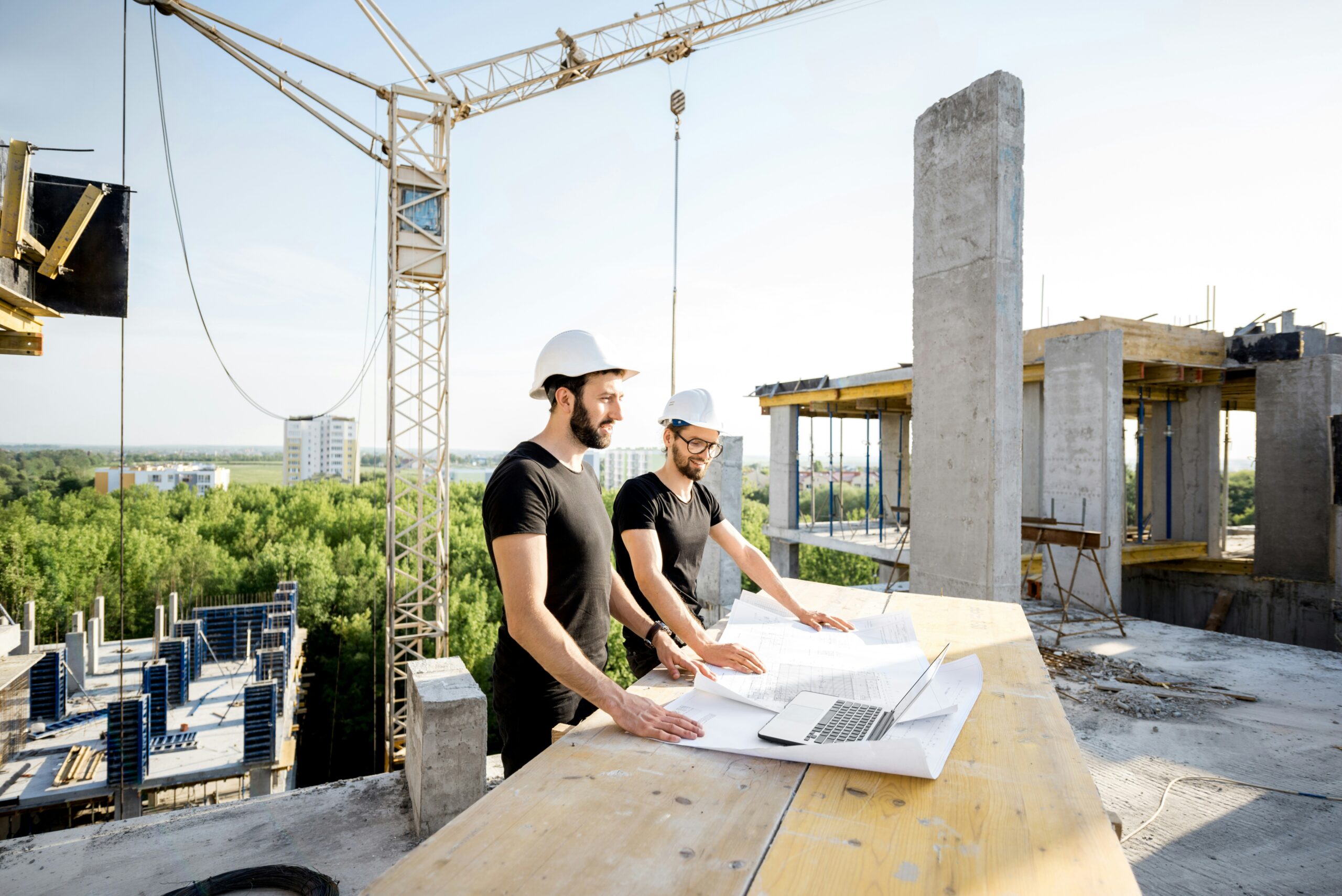
Sustainable community development has become a central focus in modern real estate. As cities expand and populations grow, developers are under increasing pressure to balance profitability with environmental responsibility and social well-being. Creating communities that thrive long term requires thoughtful planning, innovative design, and a commitment to sustainability principles that benefit both people and the planet.
Real estate development plays a critical role in shaping how people live, work, and interact. When sustainability is integrated into development strategies, it can reduce environmental impact, improve quality of life, and create resilient neighborhoods that adapt to future challenges. This article explores how real estate developers can contribute to building sustainable communities through intentional practices and forward-thinking approaches.
Understanding Sustainable Community Development
Sustainable community development focuses on creating environments that meet present needs without compromising future generations’ ability to meet theirs. It involves integrating environmental stewardship, economic viability, and social equity into every stage of planning and construction.
Developers who embrace this concept consider factors such as energy efficiency, access to public transportation, green spaces, and community engagement. By aligning projects with sustainability goals, they can create neighborhoods that are not only functional but also healthy and inclusive.
Integrating Green Building Practices
Green building practices are a cornerstone of sustainable real estate development. These practices involve using environmentally friendly materials, reducing energy consumption, and minimizing waste throughout the construction process. Developers can adopt certifications such as LEED to ensure their projects meet established sustainability standards.
Incorporating renewable energy sources, efficient insulation, and water-conservation systems can significantly reduce a development’s environmental footprint. These features also appeal to environmentally conscious buyers and tenants, thereby increasing the property’s long-term value while reducing operating costs.
Designing for Walkability and Accessibility
Walkable communities are essential for sustainability because they reduce reliance on cars and promote healthier lifestyles. Real estate developers can design neighborhoods with pedestrian-friendly streets, accessible public transit, and mixed-use spaces that bring essential services closer to residents.
Accessibility goes beyond transportation. Inclusive design ensures that people of all ages and abilities can comfortably navigate and use community spaces. This approach fosters social interaction, strengthens community ties, and enhances the residents’ overall quality of life.
Preserving Natural Resources and Green Spaces
Preserving natural landscapes is a key aspect of sustainable development. Developers can integrate parks, green corridors, and open spaces into their projects to maintain biodiversity and provide recreational opportunities for residents.
Green spaces also contribute to improved air quality, temperature regulation, and mental well-being. By prioritizing the conservation of natural resources, developers create environments that support both ecological balance and human health.
Encouraging Community Engagement
Community engagement is vital to creating developments that truly meet residents’ needs. Developers can involve local stakeholders in the planning process through consultations, surveys, and public meetings. This collaboration helps ensure that projects reflect the community’s values and priorities.
Engaged communities are more likely to take ownership of their surroundings, leading to better maintenance and stronger social cohesion. When people feel heard and included, they are more invested in the long-term success of the development.
Supporting Economic Sustainability
Economic sustainability ensures that communities remain viable and prosperous over time. Real estate development can support local economies by creating job opportunities, supporting small businesses, and fostering entrepreneurship within the community.
Mixed-use developments that combine residential, commercial, and recreational spaces can stimulate economic activity and reduce the need for long commutes. This approach not only benefits residents but also contributes to a more resilient local economy.
Leveraging Smart Technology
Smart technology is transforming the way communities are designed and managed. Developers can incorporate technologies such as smart energy systems, efficient waste management solutions, and data-driven infrastructure to improve sustainability outcomes.
These technologies enhance convenience and efficiency for residents while reducing resource consumption. For example, smart lighting systems can adjust based on usage patterns, and intelligent water systems can detect leaks and optimize consumption. Integrating such innovations helps create future-ready communities.
Prioritizing Affordable Housing
Affordable housing is a critical component of sustainable communities. Without it, developments risk becoming exclusive and socially imbalanced. Developers can incorporate a range of housing options to accommodate diverse income levels and ensure inclusivity.
Providing affordable housing not only addresses social equity but also strengthens the community by attracting a diverse population. This diversity fosters cultural exchange, innovation, and a sense of belonging among residents.
Reducing Carbon Footprint
Reducing carbon emissions is a major goal of sustainable real estate development. Developers can achieve this by using low-carbon materials, optimizing building orientation for natural light, and incorporating energy-efficient systems.
Transportation planning also helps reduce emissions. By promoting public transit, cycling, and walking, developers can significantly reduce a community’s overall carbon footprint. These efforts contribute to global climate goals while enhancing local living conditions.
Creating Resilient Infrastructure
Resilient infrastructure enables communities to withstand environmental challenges, such as extreme weather events and climate change. Developers can design buildings and systems that are durable, adaptable, and able to recover quickly from disruptions.
Incorporating flood management systems, sustainable drainage, and climate-responsive design can protect both property and residents. Resilience is essential for long-term sustainability, as it safeguards investments and supports community stability.
Promoting Health and Well Being
Healthy communities are a key outcome of sustainable development. Developers can promote well-being by incorporating features such as green spaces, fitness areas, and access to healthcare facilities into their projects.
Indoor environmental quality also matters. Proper ventilation, natural lighting, and the use of non-toxic materials can improve physical and mental health. By prioritizing well-being, developers create environments where people can thrive.
Creating sustainable communities through real estate development requires a holistic approach that balances environmental, social, and economic factors. Developers who embrace sustainability can shape resilient, inclusive, and environmentally responsible neighborhoods.
As the demand for sustainable living continues to grow, real estate professionals have an opportunity to lead the way in building communities that stand the test of time. Through innovation, collaboration, and a commitment to responsible development, they can contribute to a better future for everyone.