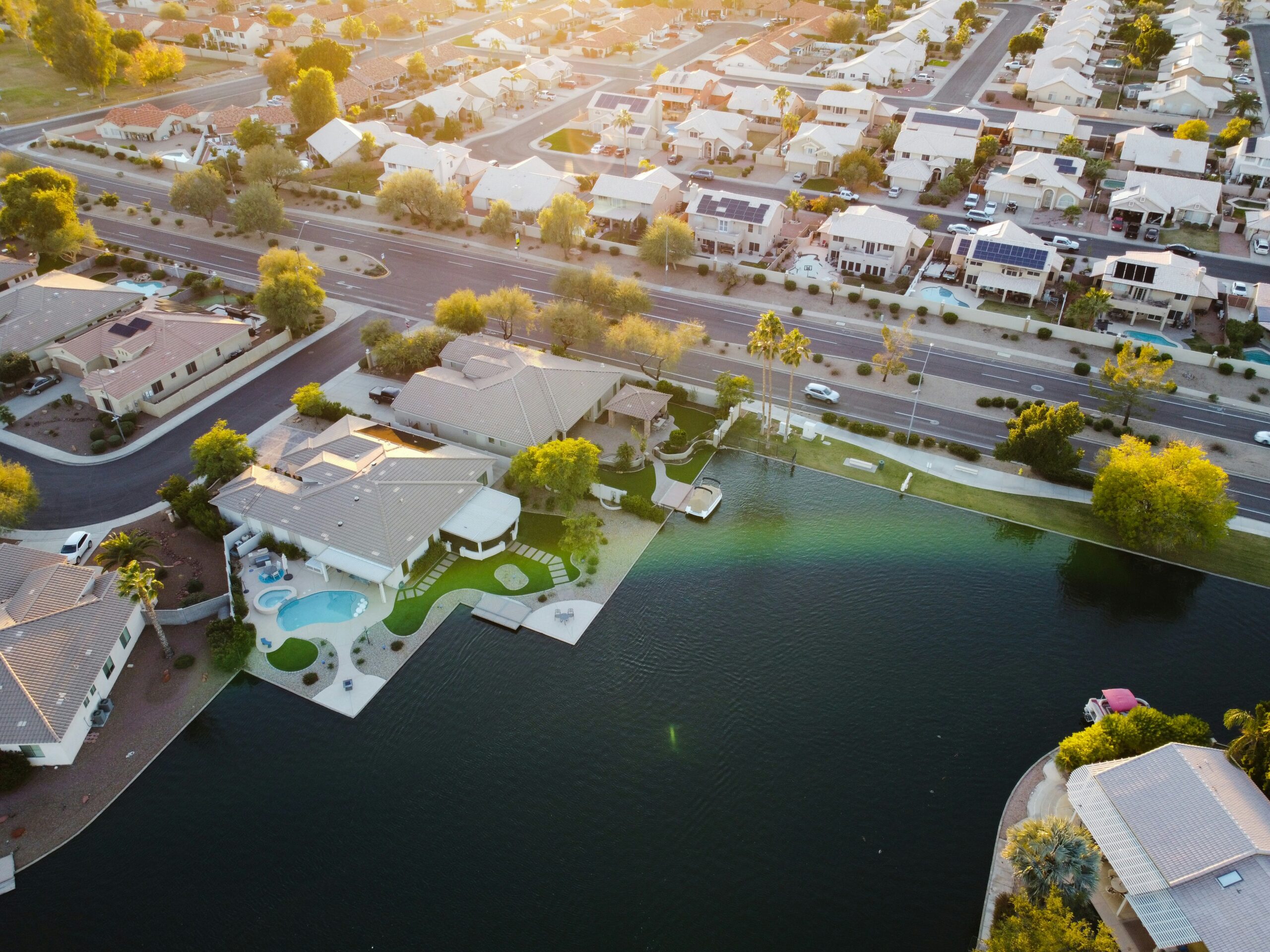
Real estate development plays a vital role in shaping how people live, work, and interact. As cities continue to grow and populations expand, developers face increasing pressure to build projects that support both economic progress and environmental responsibility. Consequently, sustainable real estate development has emerged as a powerful approach for creating communities that thrive for generations.
Rather than focusing solely on construction and profits, sustainable development emphasizes long-term value, environmental stewardship, and community well-being. Through thoughtful planning, innovative design, and responsible resource management, developers can create neighborhoods that benefit residents, businesses, and the environment alike.
Understanding Sustainable Real Estate Development
Sustainable real estate development involves designing, constructing, and managing properties in ways that minimize environmental impact while maximizing social and economic benefits. This approach considers how developments affect natural resources, transportation systems, public health, and community engagement.
Moreover, sustainable projects aim to create balanced environments where people can access housing, employment, recreation, and essential services without placing excessive strain on local infrastructure. As a result, these developments often achieve stronger long-term success and greater community support.
The Importance of Smart Urban Planning
Smart urban planning serves as the foundation of sustainable communities. Without proper planning, growth can lead to traffic congestion, environmental degradation, and reduced quality of life. Therefore, developers must collaborate with local governments, planners, and residents to create comprehensive development strategies.
Effective planning encourages walkability, efficient transportation networks, and accessible public spaces. Furthermore, it promotes the integration of residential, commercial, and recreational areas within the same community. Because of this balanced approach, residents can enjoy shorter commutes and stronger connections to their neighborhoods.
Designing Green Buildings for the Future
Green building practices remain a cornerstone of sustainable real estate development. Modern construction techniques allow developers to reduce energy consumption while creating healthier indoor environments.
Energy-efficient lighting, high-performance insulation, smart climate control systems, and renewable energy solutions contribute to lower operating costs and reduced environmental impact. Additionally, sustainable materials help conserve resources and improve building longevity.
As consumers become more environmentally conscious, demand for green buildings continues to grow. Therefore, developers who invest in sustainable design often gain a competitive advantage while supporting broader environmental goals.
Creating Walkable and Connected Neighborhoods
Walkability significantly enhances a community’s sustainability. When residents can easily access schools, parks, stores, and workplaces, they rely less on personal vehicles. Consequently, communities experience reduced traffic congestion and lower carbon emissions.
Developers can promote walkability through pedestrian-friendly streets, safe sidewalks, bike paths, and convenient public transportation options. In addition, connected neighborhoods encourage social interaction and support local businesses.
Because residents spend more time engaging with their surroundings, walkable communities often foster stronger relationships and greater civic participation.
Preserving Green Spaces and Natural Resources
Sustainable communities require a balance between development and environmental preservation. While new construction supports growth, protecting natural resources ensures long-term ecological health.
Parks, community gardens, green corridors, and preserved open spaces provide valuable environmental and social benefits. For example, green spaces improve air quality, manage stormwater runoff, and create recreation opportunities.
Furthermore, access to nature positively influences physical and mental well-being. Therefore, developers who prioritize environmental preservation contribute to healthier and more attractive communities.
Supporting Affordable and Diverse Housing
A truly sustainable community must serve people from various backgrounds and income levels. Consequently, developers should incorporate diverse housing options that meet the needs of different residents.
Affordable housing initiatives help create inclusive communities while supporting economic stability. At the same time, a mix of housing types encourages diversity and strengthens neighborhood resilience.
When families, professionals, retirees, and young adults can live within the same community, social connections grow stronger, and local economies become more dynamic.
Encouraging Economic Growth and Local Opportunity
Sustainable real estate development supports economic development by creating jobs, attracting businesses, and increasing property values. However, successful projects focus on more than immediate financial gains.
Developers can strengthen local economies by supporting small businesses, creating mixed-use developments, and investing in community infrastructure. Additionally, developments that provide residents with access to employment opportunities help build long-term financial security.
As economic opportunities expand, communities become more resilient and better equipped to adapt to future challenges.
Integrating Technology Into Sustainable Communities
Technology plays an increasingly important role in community-focused development. Smart infrastructure allows cities and neighborhoods to operate more efficiently while improving residents’ quality of life.
Smart lighting systems, energy monitoring platforms, water conservation technologies, and intelligent transportation solutions help reduce resource consumption. Furthermore, technology provides valuable data that supports informed decision-making.
By integrating innovative solutions, developers can create communities that remain adaptable and efficient as technology continues to evolve.
Strengthening Community Engagement
Community involvement remains essential throughout the development process. Residents possess valuable insights regarding local needs, priorities, and concerns. Therefore, developers should actively engage stakeholders from the earliest planning stages.
Public meetings, surveys, and collaborative workshops help build trust and encourage meaningful participation. Moreover, community engagement often leads to better project outcomes because developments reflect the needs of those who will ultimately use them.
When residents feel invested in their community, they are more likely to support long-term sustainability initiatives.
Long-Term Benefits of Sustainable Development
The benefits of sustainable real estate development extend far beyond environmental protection. Sustainable communities often experience stronger economic performance, improved public health, and enhanced quality of life.
Additionally, sustainable developments tend to maintain their value over time because they address evolving consumer preferences and regulatory requirements. Investors, residents, and local governments all benefit from projects that prioritize long-term success.
As climate concerns and urban growth continue to shape the future, sustainable development will remain a critical component of responsible real estate investment.
Creating sustainable communities through real estate development requires vision, collaboration, and commitment. By embracing smart urban planning, green building practices, environmental preservation, and community engagement, developers can create neighborhoods that support both people and the planet.
Furthermore, sustainable communities generate lasting economic, social, and environmental benefits. As a result, they represent one of the most effective ways to balance growth with responsibility. Through thoughtful development strategies, the real estate industry can help build stronger, healthier, and more resilient communities for future generations.